All Categories
Featured
Table of Contents
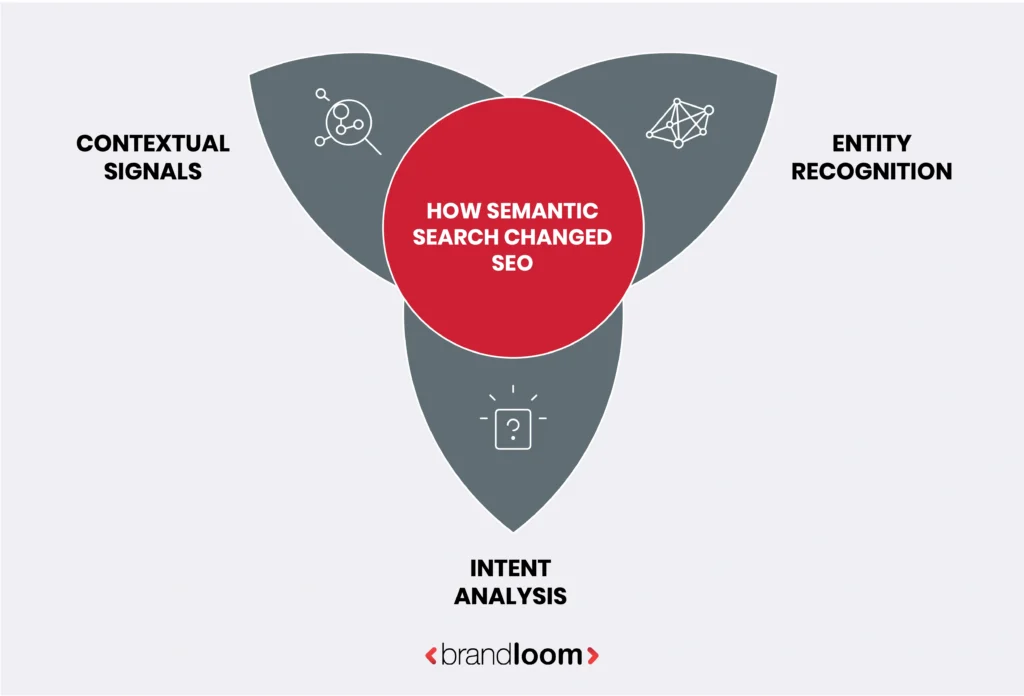
The search environment of 2026 operates on a fundamental shift from simple keyword matching to deep entity-based understanding. Modern algorithms no longer just index words. Instead, they map the relationships between concepts, experts, and organizations. Building a content engine capable of sustaining high authority requires moving away from vanity metrics and focusing on information gain. This term refers to the unique value a piece of content adds to the existing digital knowledge base. If an article merely repeats what is already available, search crawlers in 2026 often ignore it entirely.
High-authority engines function as factories for original insight. They prioritize data-backed claims and verifiable expertise. For businesses operating in Jacksonville, the competition for digital visibility has shifted toward topical dominance. It is no longer enough to have a blog. An organization must present itself as a definitive source on specific subjects. This involves a shift from broad, generic topics to granular, technical explanations that satisfy the sophisticated intent of modern users.
Integrating Advanced Digital Workflows for Scale
Scaling quality production without losing authority is the primary challenge for 2026 marketing teams. Most traditional models break when volume increases because human oversight thins out. A modern engine solves this by using a modular approach to creation. Research, drafting, and technical optimization are treated as distinct stages of an industrial process. This structure ensures that every piece of content meets a baseline of expertise before it ever reaches the publishing stage.
Modern strategies frequently emphasize the importance of Lead Generation SEO to maintain relevance. Without a structured approach to topical mapping, content often becomes repetitive or fails to address the specific pain points of the target audience. By treating specialized content development as a core business function rather than an elective marketing expense, companies can build a library of assets that appreciate in value over time. Authority is cumulative. Each new article should strengthen the internal linking structure and reinforce the site's overall expertise in the eyes of search engines.
Developing Authority in Jacksonville
Geographic relevance remains a significant factor in search rankings, even as the world becomes more digitized. In 2026, search engines use hyper-local data to determine which businesses are genuinely active within their communities. For an organization based in Jacksonville, authority is built by connecting global industry trends to local economic realities. This contextualization proves that the content is not just a generic template but is tailored to the needs of a specific population.
Scalable B2B Ecommerce Strategy Models has become a standard requirement for organizations aiming to secure top-tier visibility in competitive regions. When search engines detect that a company consistently provides accurate information about relevant industry practices in Jacksonville, they assign a higher trust score to that domain. This trust is what allows smaller players to compete with massive national brands. National brands often struggle with local nuance, while a well-oiled content engine can produce localized insights at a pace that keeps them ahead of the curve.

Data Collection and Topical Mapping
The foundation of any high-authority engine is the data it uses to inform its topics. In 2026, content teams rely less on third-party keyword tools and more on first-party data. This includes customer support tickets, sales transcripts, and proprietary surveys. By identifying the exact questions customers are asking, companies can produce content that has a guaranteed audience. This approach also ensures that the content serves a dual purpose: it attracts new traffic from search engines while also helping current customers solve problems.
Topical mapping involves creating a visual representation of all the subjects a brand intends to cover. This map identifies gaps where the organization lacks authority. Professional teams often spend months perfecting SEO for Healthcare Institutes before launching a major campaign. The goal is to ensure that for every "head" term there are dozens of "long-tail" articles that support it. This creates a web of information that keeps users on the site longer and signals to search engines that the domain is a comprehensive resource.
The Role of Technical Verification
In 2026, the veracity of information is more important than the prose itself. Search engines now employ specialized models to check facts against a "knowledge graph" of established truths. A content engine must include a verification step where technical experts review drafts for accuracy. This is particularly true for technical consulting where misinformation can have real-world consequences. If a site is caught publishing inaccurate data, its authority score can plummet overnight, often taking months or years to recover.
This verification process also extends to the technical structure of the page. Schema markup, core web vitals, and mobile responsiveness are the table stakes of 2026. However, high-authority engines go further by optimizing for "entity-based" schema. This code tells search engines exactly who wrote the content, what their credentials are, and how the article relates to other known entities in the industry. This level of technical detail makes it easier for search bots to categorize and rank the content correctly.
Measuring the Success of Authority Engines
Traditional metrics like page views are less relevant in 2026. Instead, organizations look at "dwell time" and "return visitor rate." If a user spends five minutes reading a technical breakdown of an industry-specific process, it indicates that the content provided genuine value. High-authority engines are designed to produce this type of "sticky" content. It is better to have one thousand deeply engaged readers than ten thousand casual visitors who bounce within seconds.
Another key metric is the "attribution of expertise." This tracks how often other reputable sites cite the content as a source. In 2026, a link from a peer-reviewed journal or a major industry news outlet is worth more than a thousand low-quality backlinks. High-authority engines focus on producing the kind of original research and data visualizations that other professionals want to reference. This natural link-building is the most sustainable way to grow a site's influence in the long term.
Future-Proofing the Content System
As we look toward 2027, the integration of multi-modal content will become the next frontier. High-authority engines will need to produce video, audio, and interactive tools alongside traditional text. The logic remains the same: provide the most value in the most accessible format. For a business in Jacksonville, staying ahead means constantly auditing the production engine to ensure it remains focused on information gain rather than mere word count.
Consistency is the final piece of the puzzle. An engine that produces five excellent articles a month is far more effective than one that produces fifty mediocre ones in January and nothing for the rest of the year. Authority is a marathon. By building a system that prioritizes technical accuracy, local relevance, and original data, organizations can ensure their digital presence remains stable even as search algorithms continue to evolve. The focus must always remain on being the best possible source of information for the end user.

Latest Posts
The Detailed Authority Building to Rank
The Architecture of Intent in 2026 Search Models